


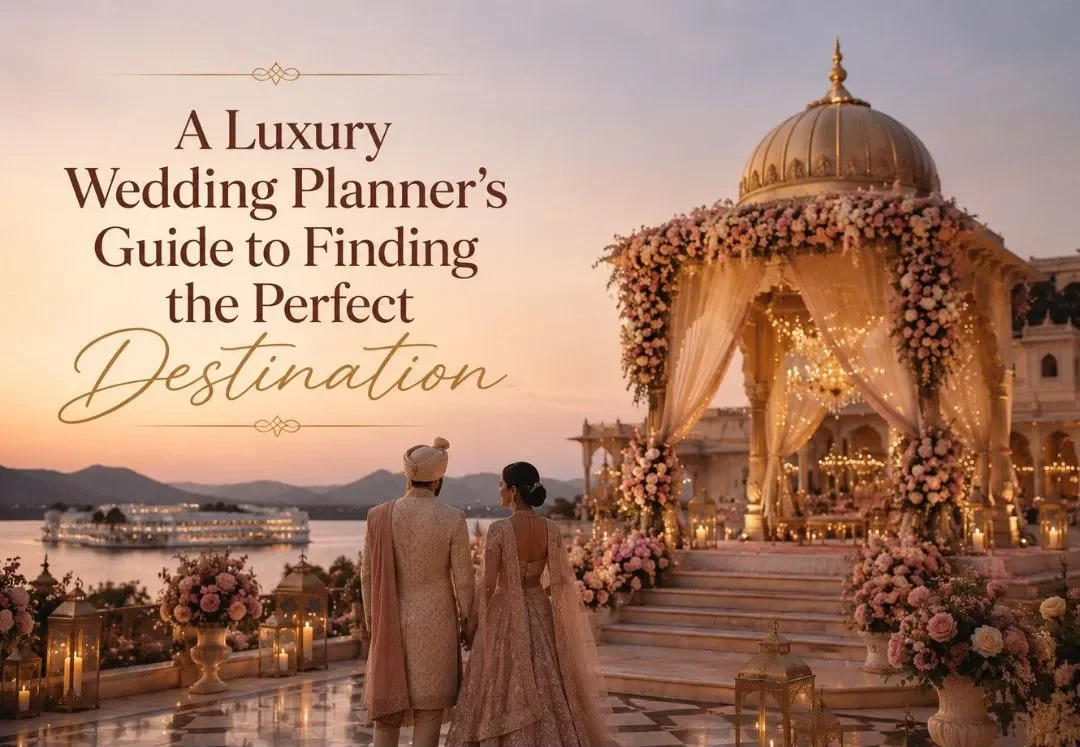
25 Aug A Luxury Wedding Planner’s Guide to Finding the Perfect Destination
A destination wedding begins with a place.
But choosing that place is about far more than finding a beautiful hotel, an impressive view or a photograph that captures the imagination.
The destination you choose will shape almost every dimension of the celebration that follows.
It will influence how your guests arrive and experience the journey. It will affect the pace of the wedding, the architecture and landscapes that inspire the design, the way each event unfolds and even the memories that remain long after the celebrations have ended.
For this reason, choosing a luxury destination wedding location should never be approached as a simple comparison of the world’s most beautiful cities or resorts.
The right destination is not necessarily the most popular one.
It is the one that feels most aligned with the wedding you want to create.
Perhaps you imagine a celebration steeped in heritage and architectural grandeur. Perhaps your vision is centred around water and romance. Perhaps you want your guests to arrive, slow down and experience a few days of effortless celebration. Or perhaps crossing borders and creating an international experience feels like an essential part of your story.
Each of these visions requires a different kind of destination.
At The Global Design Co., we believe that the destination should do more than provide a backdrop.
It should become part of the experience.
And that philosophy is becoming increasingly relevant. Recent industry reporting has highlighted the continued growth of destination weddings and a shift towards celebrations that place greater emphasis on venue quality, hospitality and the overall guest experience. In the luxury segment, the destination and stay can represent one of the most significant parts of the overall wedding investment.
So, how do you find the perfect destination?
The answer lies in looking beyond the obvious.
1. Begin With the Experience You Want to Create
Before researching venues, begin with a more fundamental question:
How do you want your wedding to feel?
Not how should it look.
How should it feel?
The distinction matters.
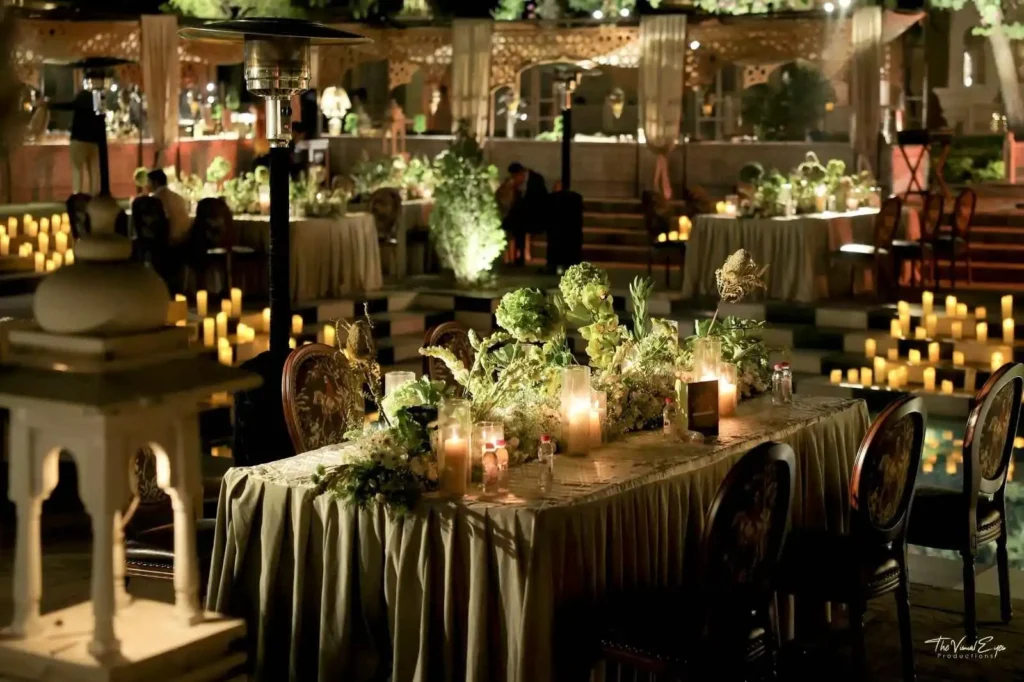
A wedding built around royal architecture and heritage will have a very different energy from a celebration set beside the sea. A tropical resort wedding will move differently from an intimate ceremony overlooking a lake. An international celebration brings an entirely different sense of discovery and escape.
The destination should support that emotional vision.
For example, couples drawn to heritage, scale and architectural drama may naturally explore destinations such as Jaipur. Rajasthan Tourism describes Jaipur as India’s first planned city, founded in 1727, with a landscape shaped by historic forts and a distinctive architectural identity. Its connectivity by air and rail also adds a practical advantage for destination celebrations.
Those searching for romance, water and timeless elegance may find destinations such as Udaipur particularly compelling. Surrounded by the Aravalli hills and defined by its lakes and palaces, the city’s landscape naturally creates a more cinematic and intimate atmosphere.
For couples who want a wedding to feel more like an escape, coastal destinations such as Goa can offer a completely different rhythm. The state has also been formally recognised by the Government of Goa as the “Best Destination for Resort Weddings” at the Wed in India 2025 Awards, reflecting its strong combination of luxury resorts, natural beauty and hospitality infrastructure.
And for those considering an international celebration, Thailand remains one of the destinations frequently considered by Indian couples. Research cited in a recent market analysis indicates that nearly half of Indian couples considering a destination wedding prefer locations within Asia, with proximity, affordability and cultural familiarity among the factors influencing that preference.
These destinations are not necessarily “better” than others.
They simply offer different experiences.
And that is the first principle of choosing well:
Do not choose the destination first. Choose the feeling first.
2. A Beautiful Destination Is Not Always the Right Wedding Destination
It is easy to fall in love with a place through photographs.
A palace at sunset.
A private beach.
A lake framed by mountains.
A spectacular resort in another country.
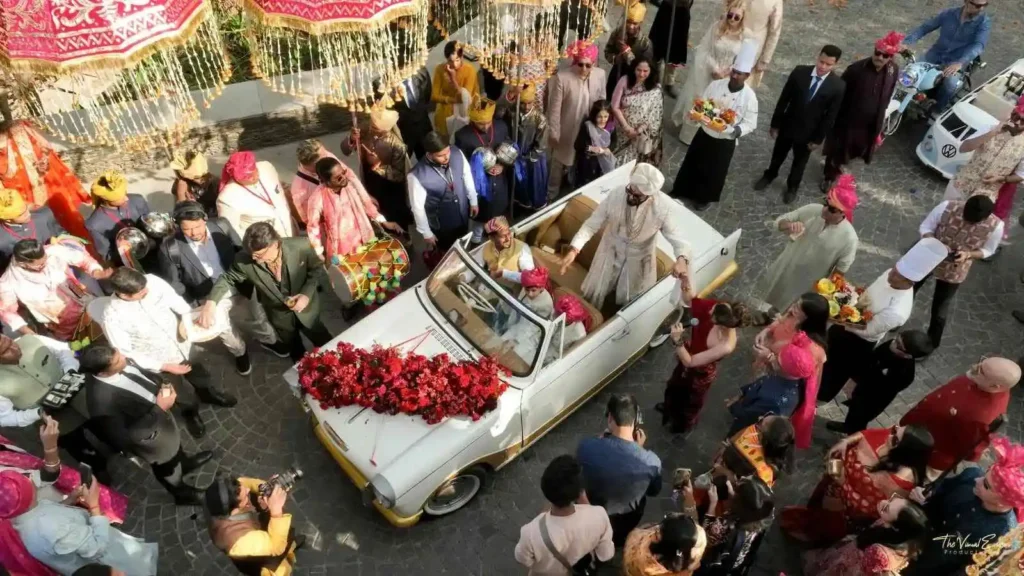
But a luxury wedding is experienced over several days, not through one image.
The perfect destination must work beyond the ceremony backdrop.
Consider the entire journey:
- How easily can guests reach the destination?
- How long will airport transfers take?
- Can your preferred guest count be comfortably accommodated?
- Are there enough event spaces to create variety across multiple days?
- What happens between the wedding functions?
- How easily can vendors, production teams and artists work within the destination?
- Does the location offer a seamless experience for elderly guests and families travelling with children?
These details may sound practical, but they are fundamental to luxury.
Because true luxury is not simply visual.
It is effortless.
Guests should not feel the complexity of the logistics behind the experience.
A thoughtfully selected destination allows the wedding to flow naturally.
3. Consider the Guest Journey as Carefully as the Couple’s Vision
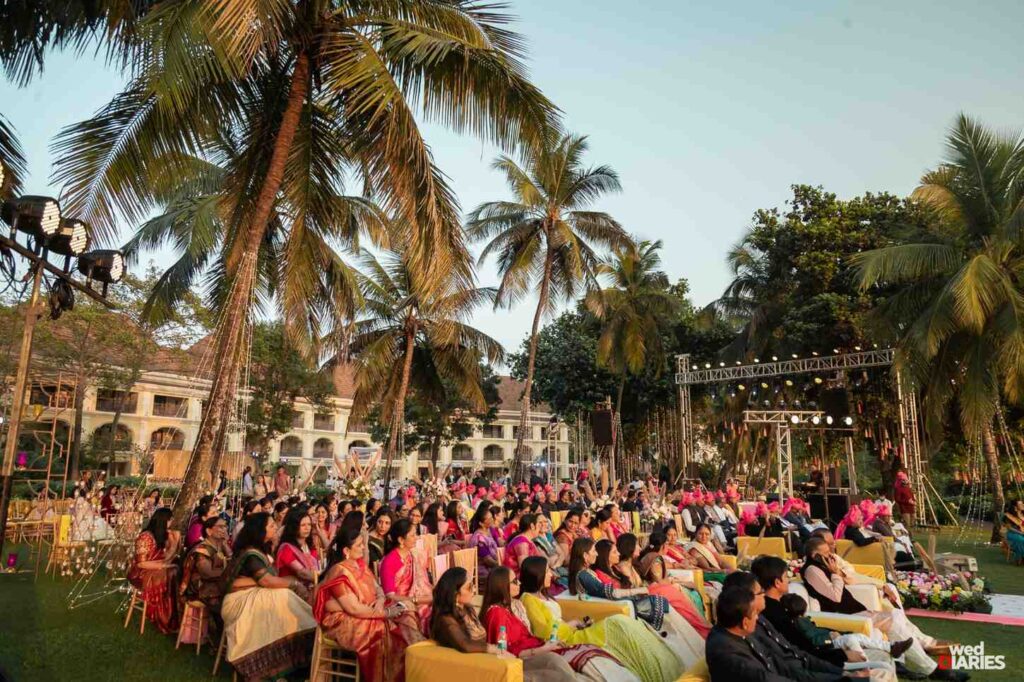
A destination wedding is, by nature, a shared journey.
Your guests are travelling to celebrate with you, often dedicating several days to the experience. That means the destination should offer something beyond the wedding functions themselves.
The most memorable luxury destination weddings create a sense of place.
Guests might experience the architecture and culture of a historic city, enjoy an afternoon by the coast, explore local cuisine or simply have the time and space to slow down between celebrations.
This is why the destination should be evaluated through the eyes of a guest.
Imagine their journey from the moment they land.
What does the arrival feel like?
How are they welcomed?
How long before they reach the hotel?
What will they see from their rooms?
Where will they spend the hours between events?
Will the destination encourage them to gather naturally outside the planned celebrations?
A wedding can have extraordinary décor and entertainment, but if the guest experience feels rushed, fragmented or inconvenient, the overall celebration can lose its sense of ease.
The destination is not just where the wedding takes place. It is where your guests will live the wedding for several days.
4. Let the Destination Influence the Design
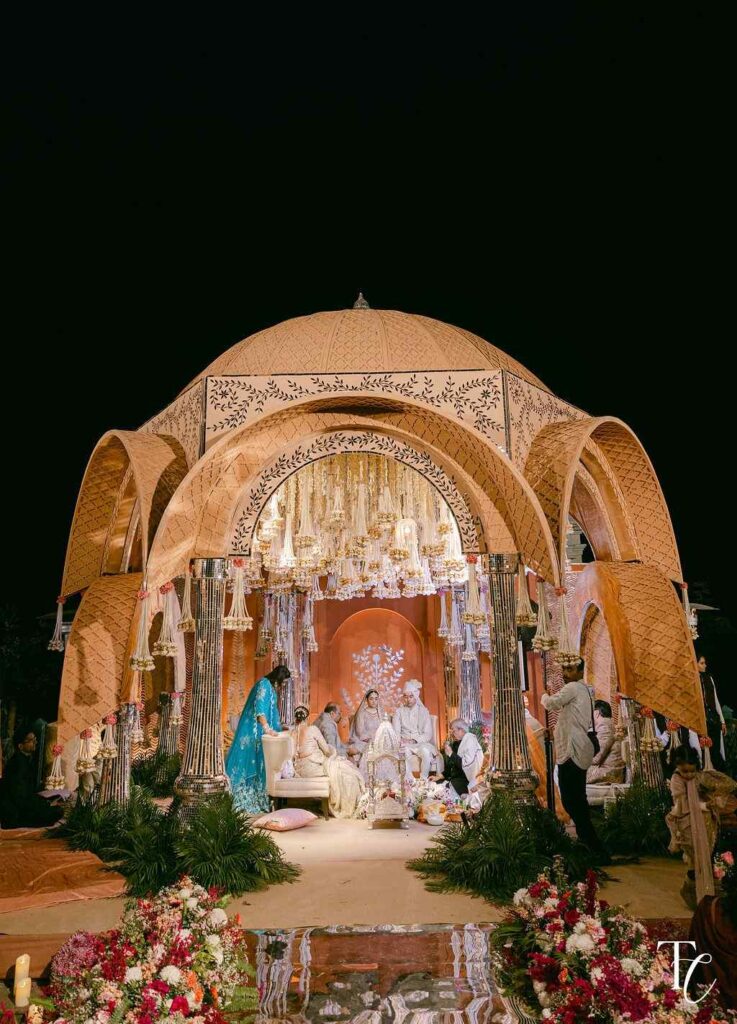
One of the most sophisticated approaches to luxury wedding design is to allow the location to inspire the celebration.
Not dictate it.
A Jaipur wedding does not need to be covered in obvious symbols of royalty.
A Goa wedding does not have to be a conventional beach wedding.
An international wedding in Thailand should not simply recreate a ballroom celebration from home.
The destination should inform the design language in more subtle and meaningful ways.
Architecture may influence the scale and geometry of the décor.
Local materials or craftsmanship may inspire texture.
The landscape may shape the colour palette.
The time of day may determine how lighting is used.
The natural surroundings may become more important than additional décor.
Recent commentary on wedding design has highlighted this growing relationship between destination and décor, with couples and designers increasingly looking to the architecture, landscape and character of a location as part of the creative process.
This is where a wedding begins to feel truly rooted in its setting.
The décor does not compete with the destination.
It converses with it.
5. Think Beyond the “Peak Wedding Season”
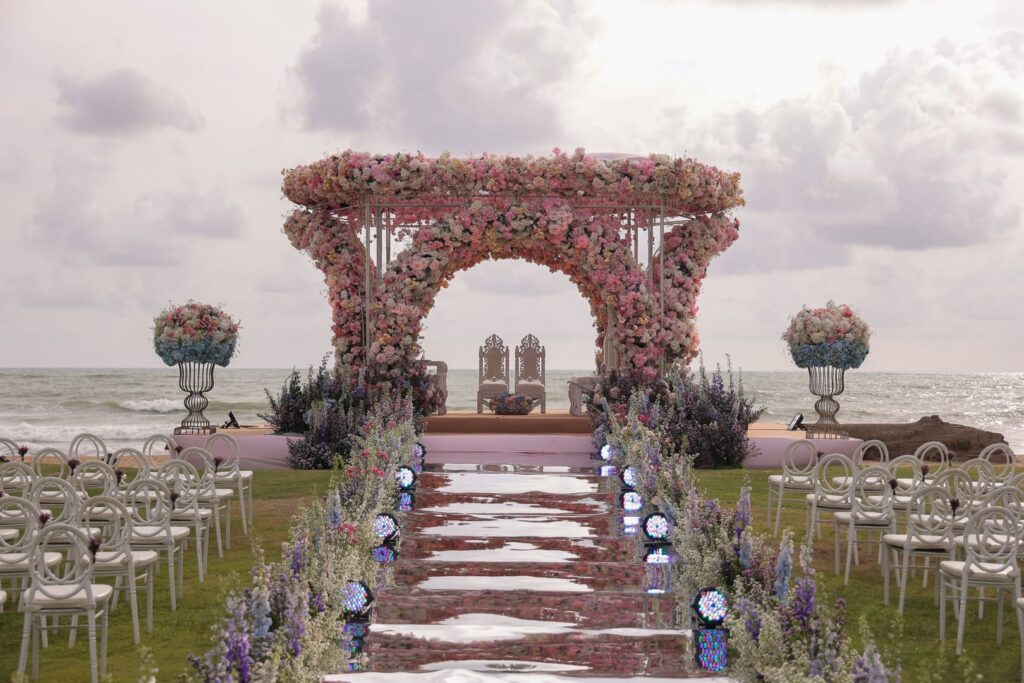
Seasonality is an essential part of destination wedding planning.
But it should not be reduced to a simple list of months.
Weather is important, particularly when the wedding includes outdoor ceremonies, poolside celebrations, beach functions or large open-air productions. However, seasonality also influences availability, pricing, travel patterns, the natural appearance of the destination and the overall atmosphere of the celebration.
In some cases, looking beyond the most conventional wedding dates can create interesting opportunities.
For example, recent reporting from Rajasthan has highlighted growing interest in weddings during the monsoon season, with some couples drawn to the greener landscapes and different atmosphere that the season brings.
Of course, this does not mean that every destination or every couple should embrace the monsoon.
It simply illustrates an important point:
The perfect season is not always the busiest season.
A wedding planner can help evaluate the balance between weather, guest comfort, venue availability, design possibilities and the overall experience you want to create.
Sometimes the destination becomes even more beautiful when experienced differently.
6. Choose a Destination That Works for Your Wedding Scale
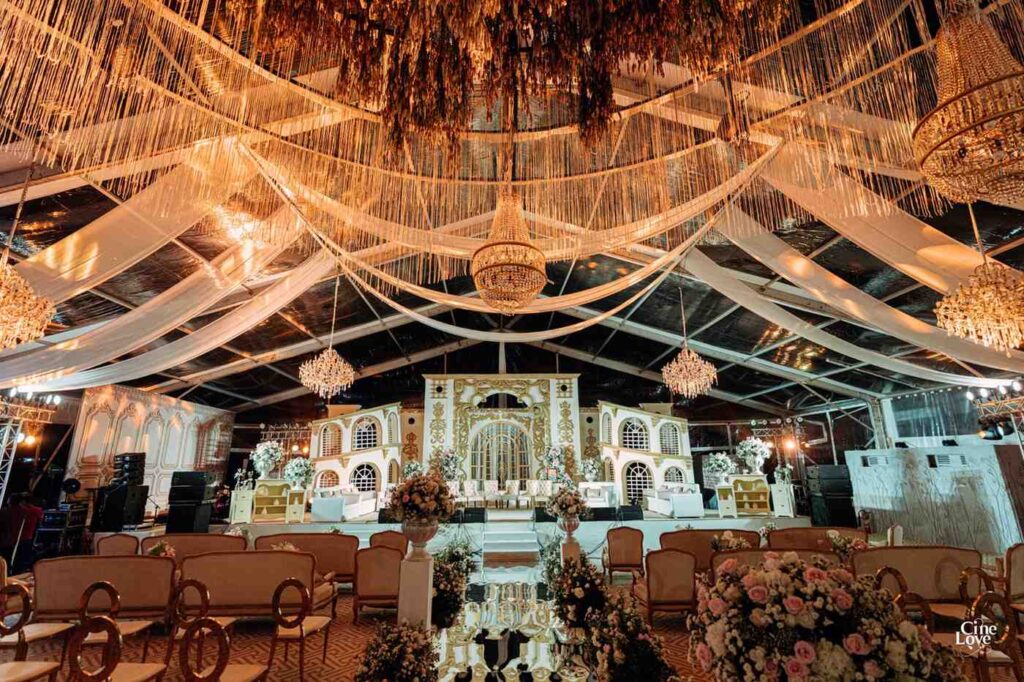
Guest count changes everything.
An intimate celebration of 80 guests and a multi-day wedding for 400 guests may require completely different infrastructure, even within the same destination.
When evaluating a location, ask:
- Can one property accommodate everyone?
- If not, can nearby hotels provide a seamless solution?
- Are the event spaces appropriate for the scale of each function?
- Can the destination comfortably handle large production requirements?
- Are there suitable options for private dinners, welcome experiences and smaller events?
- How will guest movement be managed?
Recent industry reporting has also emphasised the increasing importance of venue and stay costs within luxury destination wedding budgets, reinforcing why accommodation and hospitality should be considered as part of the overall planning strategy—not as an afterthought once the venue has been selected.
For a luxury wedding, scale is not simply about how many guests can fit into a ballroom.
It is about whether every guest can experience the celebration comfortably.
7. The Destination Should Offer More Than One Beautiful Space
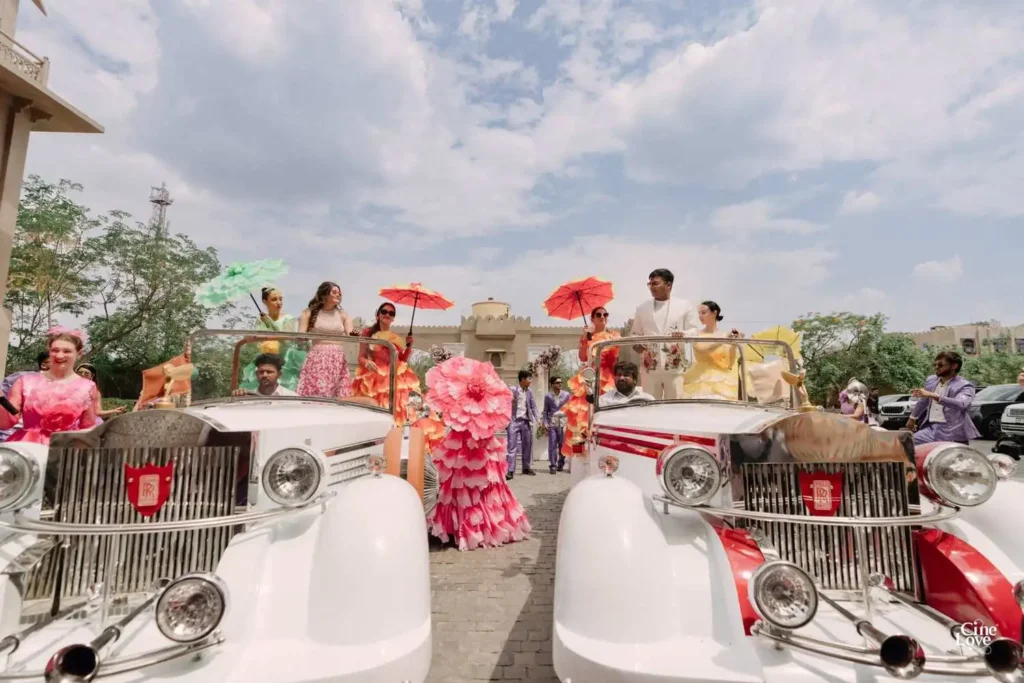
A multi-day destination wedding should feel like a journey with changing chapters.
That requires variety.
The ideal destination or property should offer the opportunity to create different moods across the celebrations.
Perhaps a welcome dinner unfolds beneath the stars.
A Mehendi takes place in a sun-filled courtyard.
A Sangeet transforms into a high-energy immersive production.
The wedding ceremony feels intimate and ceremonial.
And the final celebration takes on an entirely different personality.
Destinations such as Jaipur and Udaipur naturally offer architectural variety through palaces, courtyards, terraces and outdoor spaces, while Goa and Thailand can offer beaches, gardens, resort lawns and waterfront settings.
The point is not that one type of destination is superior.
It is that the destination should give the wedding room to evolve.
Every event should feel like a new chapter, not a repetition of the one before it.
8. Consider Accessibility Without Compromising the Dream

The most extraordinary destination is only truly successful if the journey there can be managed beautifully.
Accessibility becomes particularly important when guest lists include multiple generations, international travellers or families arriving from different cities.
A destination does not need to be effortless to reach.
But the travel experience should be carefully considered.
A remote property may offer remarkable privacy and exclusivity, but it may also require additional transfers and more complex coordination.
An international destination may create an incredible sense of escape but involve passports, travel documentation and more detailed guest management.
This does not make either option unsuitable.
It simply means that the level of planning must match the complexity of the journey.
Thailand, for instance, can offer Indian couples an international experience while remaining within Asia—a region that continues to appeal to couples partly because of geographical proximity and travel convenience.
Similarly, Jaipur benefits from established domestic and international air connections, as well as extensive rail connectivity, according to Rajasthan Tourism.
The perfect destination is not always the closest.
But distance should always be considered as part of the guest experience.
9. Look at the Destination Beyond the Wedding Venue
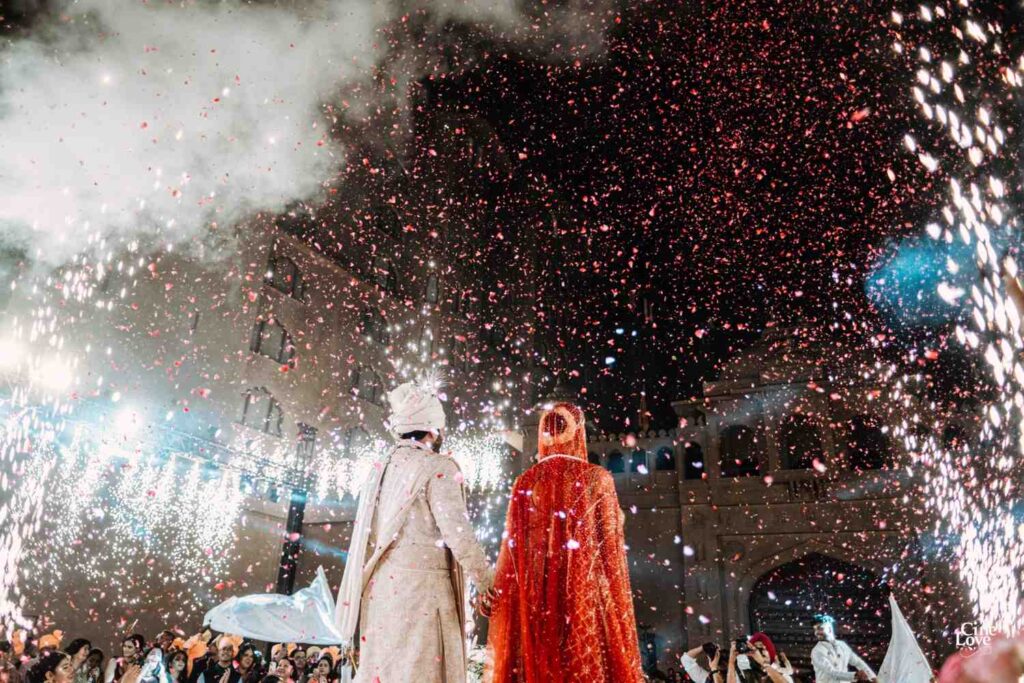
A destination wedding should give guests a reason to remember the place itself.
This is where the character of destinations becomes particularly valuable.
Jaipur offers a rich visual world shaped by historic architecture, forts, craftsmanship and the energy of a major city.
Udaipur brings together lakes, palaces and the Aravalli landscape, creating a setting particularly suited to romance and heritage-led celebrations.
Goa offers a more relaxed rhythm, with a combination of coastline, resorts, heritage influences and leisure experiences. Its recognition as a leading destination for resort weddings reflects the strength of its hospitality offering.
Thailand can transform the wedding into an international escape, with luxury hospitality, tropical landscapes and the opportunity to extend the celebration into a larger travel experience.
However, the principle remains universal:
Choose a destination because it complements your story not because it appears on someone else’s list of the best places to get married.
The world is full of extraordinary wedding destinations.
The right one is personal.
10. Do Not Let Trends Make the Decision for You

Wedding trends can be inspiring.
But destinations should not be chosen because they are currently popular on social media.
Trends change.
A destination, however, becomes part of your personal history.
It will appear in every photograph, every memory and every story you tell about the beginning of your marriage.
So while it can be useful to understand what couples are currently looking for, popularity should never be the only deciding factor.
Current market research suggests that Indian couples continue to favour a mix of destination experiences—from beachside and palace-inspired settings to international locations—with the underlying appeal increasingly tied to scenery, hospitality and memorable travel experiences.
This is perhaps the most interesting evolution in luxury destination weddings.
There is no longer one definition of the perfect wedding destination.
A palace can be luxurious.
A private beach can be luxurious.
A lakeside ceremony can be luxurious.
A tropical international resort can be luxurious.
Luxury is not the destination itself.
It is the quality of the experience you create within it.
11. The Role of a Luxury Wedding Planner in Choosing the Right Destination

A wedding planner brings a perspective that goes beyond the first impression of a venue.
The planning process considers the destination as a complete ecosystem.
At The Global Design Co., destination selection can involve evaluating:
- The couple’s vision and personality
- Guest count and guest demographics
- Accessibility and travel logistics
- Venue capabilities
- Accommodation requirements
- Event flow
- Seasonal considerations
- Design possibilities
- Production and vendor logistics
- Guest experiences beyond the wedding functions
- The overall investment required to bring the celebration together
This is particularly important because a destination can look extraordinary while presenting challenges that only become visible once planning begins.
A beautiful property may have limited accommodation.
A dramatic ceremony location may be difficult to access.
A destination may work perfectly for an intimate wedding but not for a large-scale celebration.
The purpose of thoughtful planning is to identify these considerations before they become compromises.
Finding the Place That Feels Like Yours
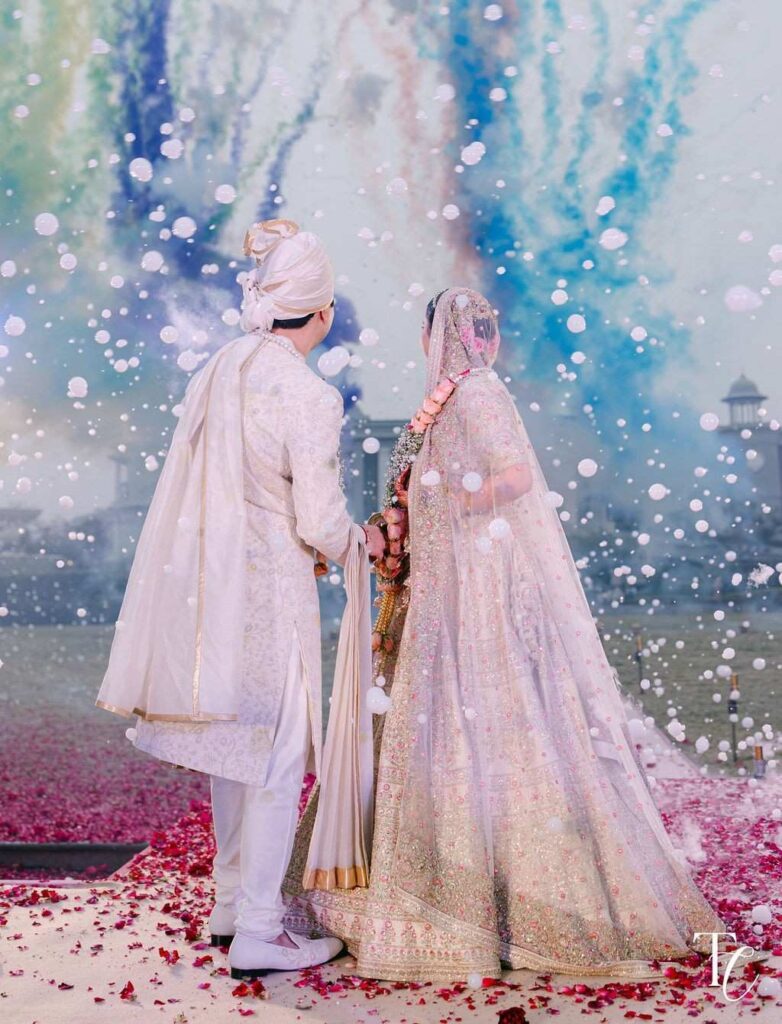
The search for the perfect luxury destination wedding venue does not begin with a ranking.
It begins with understanding what matters to you.
Perhaps your story belongs among the regal architecture of Jaipur.
Perhaps it unfolds beside the lakes of Udaipur.
Perhaps the relaxed luxury of Goa feels more natural.
Perhaps your celebration calls for the tropical escape and international energy of Thailand.
Or perhaps another destination entirely feels like the beginning of your story.
The important thing is not to choose the place that everyone else is choosing.
It is to choose the destination that allows your wedding to become what you imagined it could be.
A place where the celebrations flow naturally.
Where guests feel cared for.
Where the design belongs to its surroundings.
Where every event has its own identity.
And where, years later, you can look back and feel that the wedding could never have happened anywhere else.
Because the perfect destination does more than host a wedding.
It becomes part of the memory.
And that is where an extraordinary destination wedding begins.